Your operations lead is juggling three vendor calls this week: one for the enclosure supplier who’s behind schedule, one for the cable harness shop that shipped the wrong connector, and one for your own contract manufacturer asking why the firmware version doesn’t match what showed up on the line. None of these problems live inside the printed circuit board assembly (PCBA) you already trust. They live in everything that happens after.
Now imagine that same week, but with a field return sitting on your desk and no clear record of which vendor, which batch, or which station built the failing unit. That’s the moment most hardware teams realize box build was never really under control, it was just distributed across enough vendors that nobody noticed until now.
Here are eight concrete signs it’s time to bring box build under a single electronics manufacturing services (EMS) partner, before that moment finds you.
- You’re coordinating more than two vendors for one finished product.
- A field failure happened and nobody could trace it to a station or batch.
- Your enclosure and cabling vendors don’t talk to each other.
- Firmware loading is a separate step from final assembly, run by a different vendor.
- You’re scaling past prototype volume and vendor coordination is starting to consume real engineering time.
- Kitting errors are causing line stoppages that take days to diagnose.
- Packaging is an afterthought, handled by whoever is left standing near the end of the process, not planned as part of the build.
- You can’t answer “who owns quality” for the finished unit, only for the bare board.
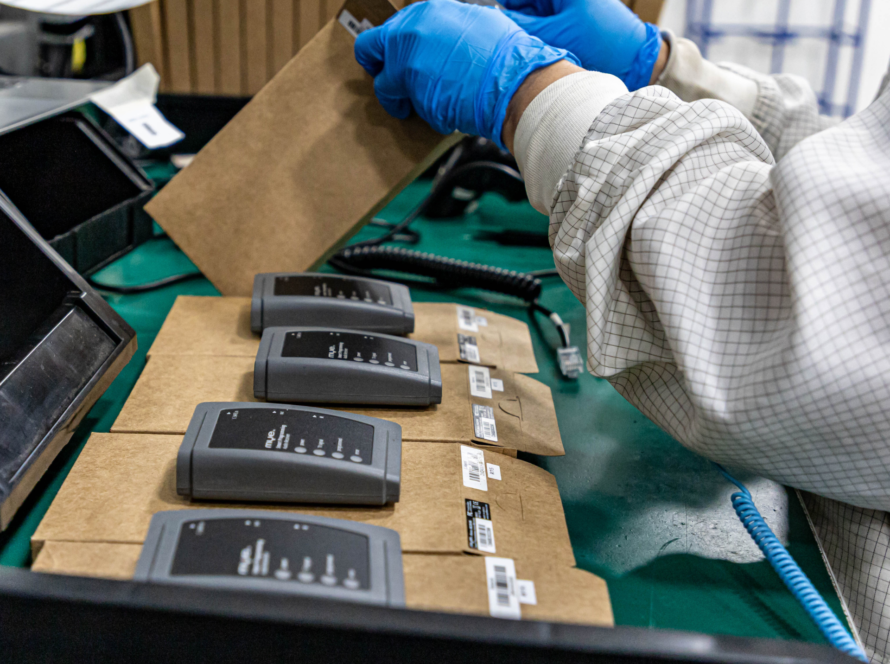
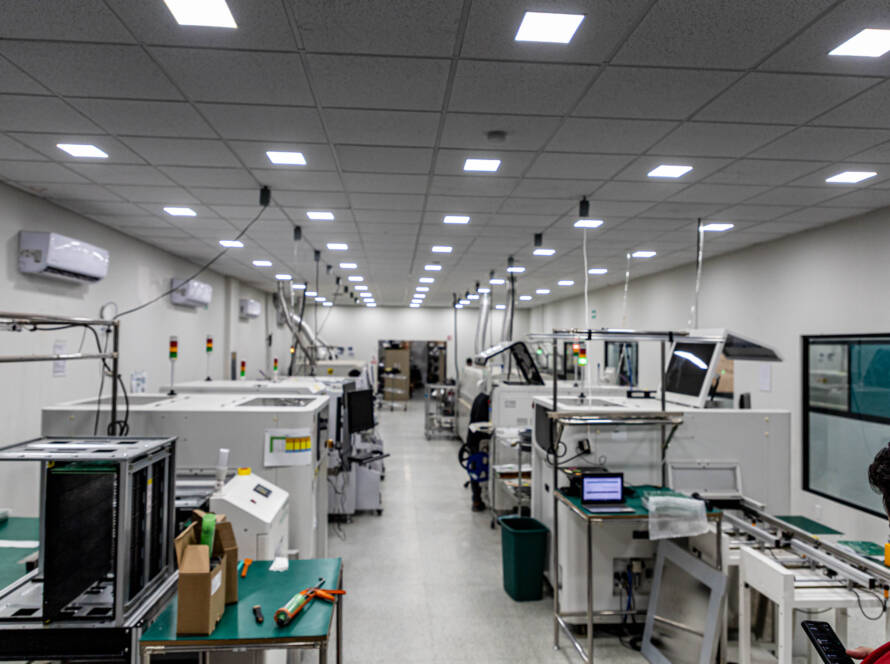
SILBIT integrates all eight box build stations, kitting, enclosure assembly, cabling and harness assembly, firmware loading, mechanical integration, functional testing, traceability logging, and custom packaging, under the same roof as PCB assembly, with automatic traceability configured per program.*
That means the week we described at the start doesn’t happen. One team, one point of contact, one traceable record from board to shipped product.
If two or more of these eight signs sound familiar, it’s worth a conversation before your next production run, not during it. Request a free manufacturing assessment and walk through your specific product with our engineering team.
*Subject to product classification and program configuration.